If you’re wondering how to choose shade sail for your patio, poolside, parking lot, or commercial space, you’re not alone. With so many materials, shapes, sizes, and mounting options on the market, making the right choice can feel overwhelming. This guide breaks down everything you need to know — from waterproof vs. breathable fabrics to triangle vs. rectangle shapes — so you can pick the perfect shade sail with confidence.
1. Start with the Purpose: What Are You Shading?
The first step in how to choose shade sail is understanding what you’re protecting. Different applications call for different products:
- Rain protection → 100% waterproof shade sail (420D Oxford fabric)
- Sun-only shade → breathable shade net (70%–95% UV block)
- Extreme heat climates → double-layer shade net (extra durability)
- Windy areas → breathable mesh to reduce wind load
If you need both rain and sun protection, go waterproof. If you’re in a hot, dry climate and want airflow, a breathable shade net is the better call.
2. Pick the Right Material
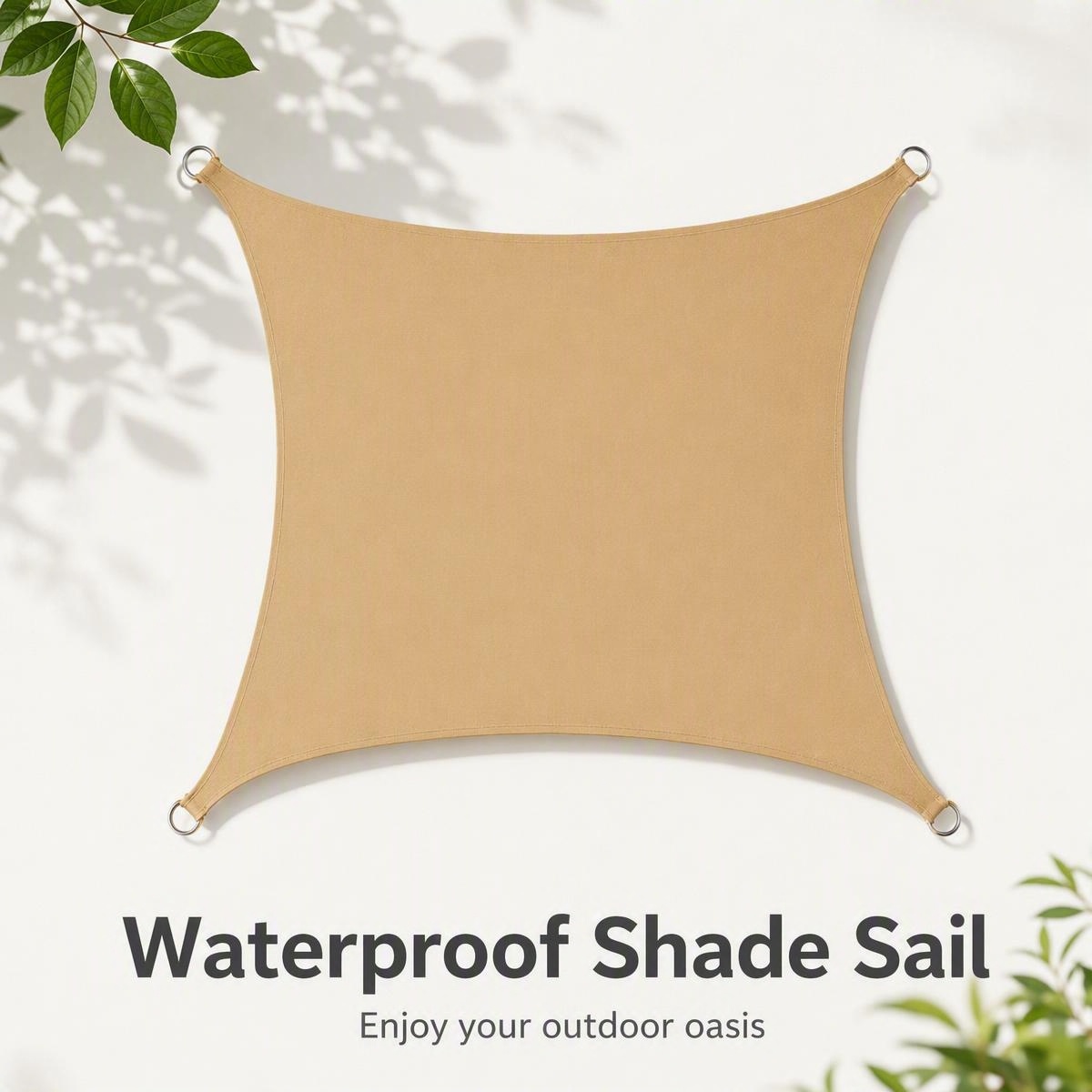
Material is the single biggest factor in how to choose shade sail that lasts. Here’s a quick breakdown:
| Material | Best For | UV Block | Waterproof |
|---|---|---|---|
| 420D Oxford Fabric | All-weather shade, carports, poolside | 98% | ✅ Yes |
| 300D Oxford Fabric | Budget-friendly waterproof option | 95% | ✅ Yes |
| 210D Oxford Mesh | Gardens, nurseries, windy areas | 70%–95% | ❌ No |
| 150D Oxford Mesh | Agriculture, greenhouses | 70%–85% | ❌ No |
| Double-Layer 420D | Hot climates, Middle East, Australia | 95% | ✅ Yes |
For most residential and commercial projects, 420D Oxford waterproof shade sails strike the best balance of durability, UV protection, and weather resistance.
3. Choose the Right Shape
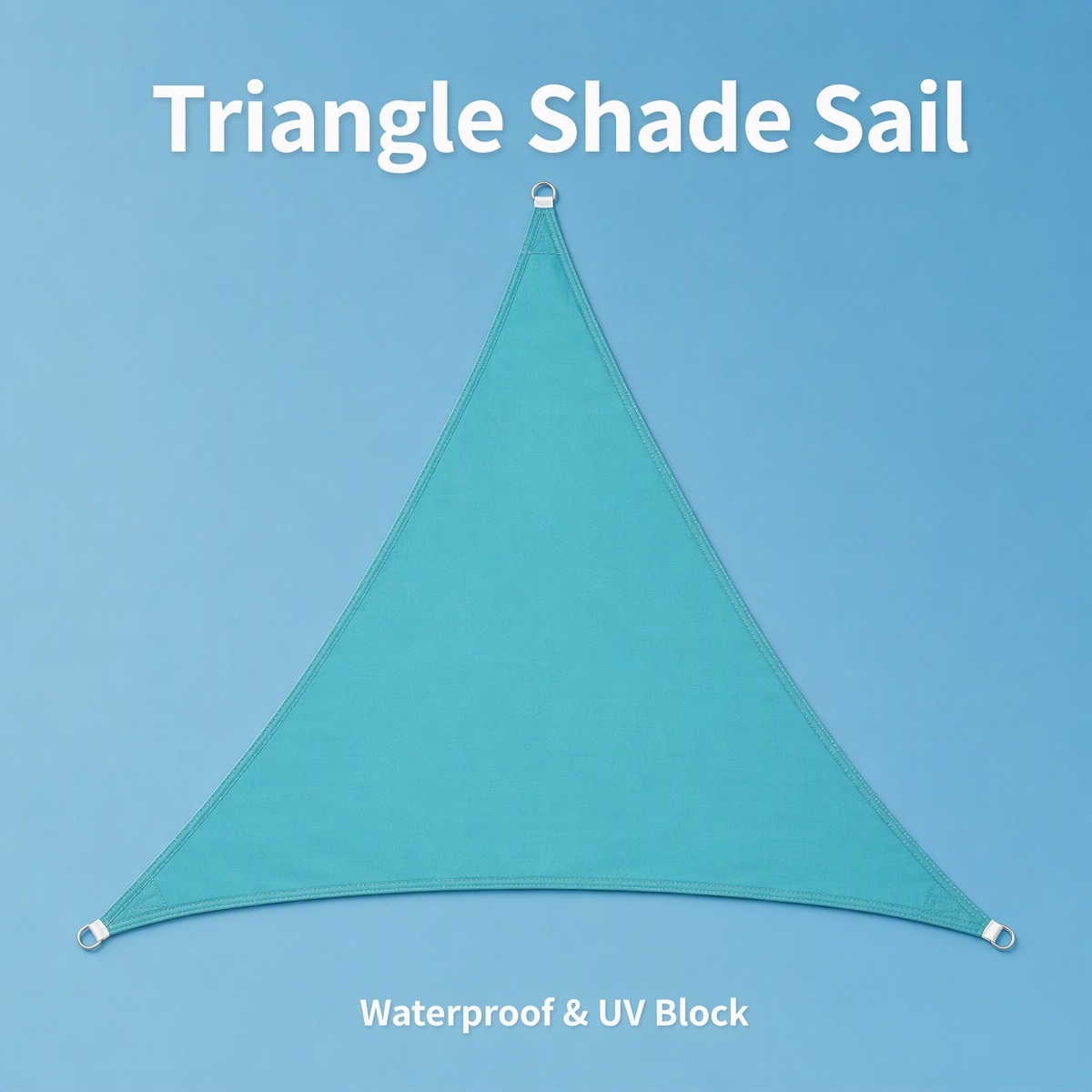
Shape determines how much area you can cover and how many anchor points you’ll need:
- Triangle (3-point) — Ideal for corners, balconies, and compact spaces. Only needs 3 anchor points. Explore triangle shade sails →
- Rectangle / Square (4-point) — Maximum coverage for large open areas like patios, pools, and parking lots. Explore rectangle shade sails →
Not sure which shape fits? Measure your space first, then decide based on available anchor points. Triangles work with less hardware; rectangles give more shade per square meter.
4. Get the Size Right
When learning how to choose shade sail size, remember this rule: the sail should be slightly smaller than the area you want to shade. You need tension to keep it from sagging, and that means leaving room for ropes and hardware between the sail edge and the anchor point.
Standard sizes we stock:
- Triangles: 3×3×3m, 3.6×3.6×3.6m, 4×4×4m, 5×5×5m
- Rectangles: 2×2m up to 5×6m (14 sizes available)
Need something outside the standard range? Custom sizes are available on request →
5. Don’t Forget the Hardware
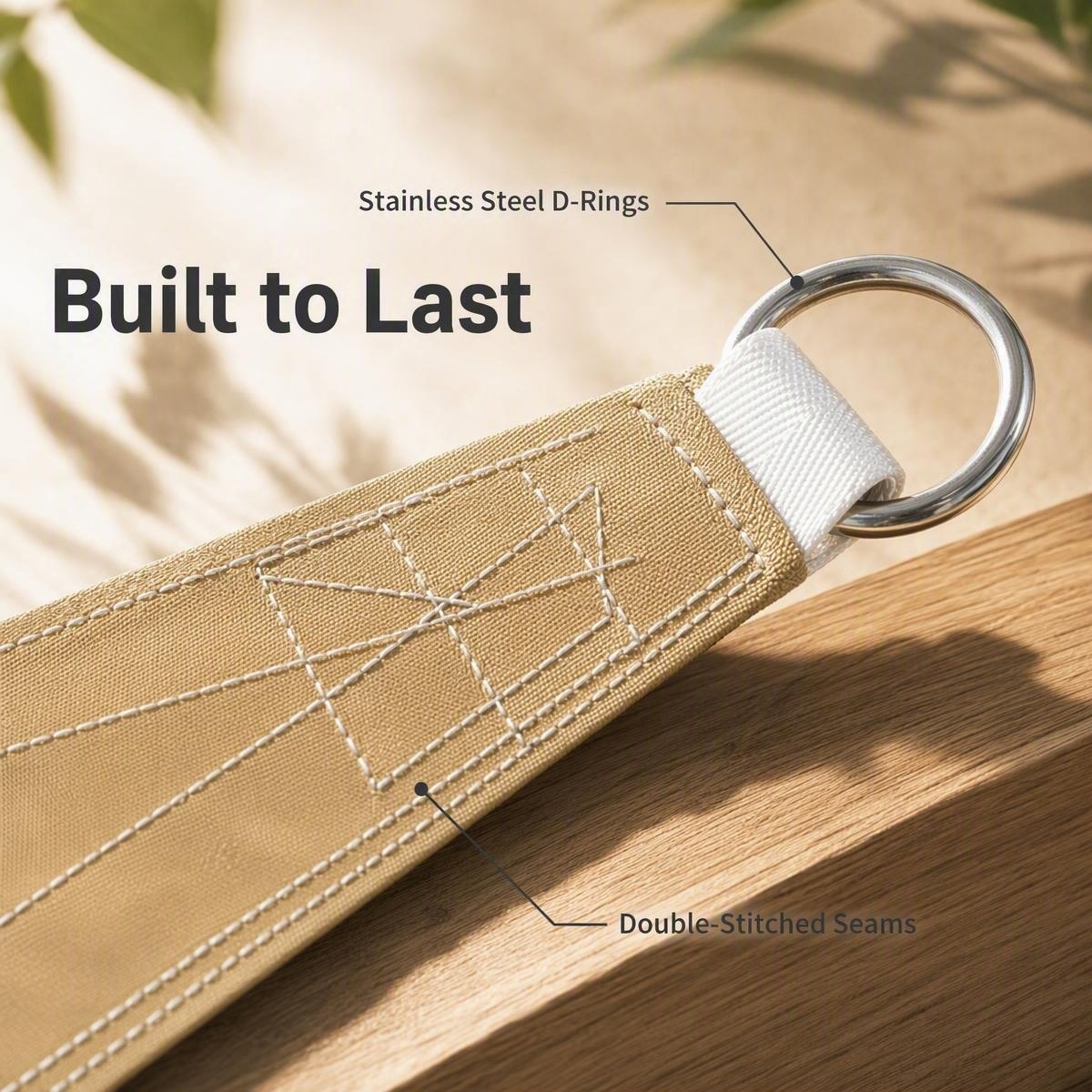
A shade sail is only as good as its mounting hardware. Stainless steel is non-negotiable for outdoor use — anything less will rust within months. Every Taiye Outdoor shade sail includes:
- Stainless steel D-rings at every corner
- 2.4m adjustable PE ropes per corner
- Double-stitched reinforced edges
Need additional hardware like turnbuckles, snap hooks, or mounting plates? Browse our hardware collection →
6. Color and Aesthetics
Our shade sails come in 8 classic colors: Cream, Beige, Gray, Khaki, Sand, Lake Blue, Black, and Orange. Choose neutral tones to blend with architecture, or go bold to make a statement. All colors are UV-stabilized to resist fading for years.
7. Installation: DIY or Professional?
Most shade sails can be installed as a DIY project if you have solid anchor points (walls, poles, or posts). Key tips:
- Anchor to load-bearing structures only — avoid gutters or decorative trim
- Maintain a 10–15° slope for water runoff on waterproof sails
- Use a tensioning system (turnbuckles) for a clean, wrinkle-free look
- For commercial projects, we recommend professional installation
Ready to Choose Your Shade Sail?
Now that you know how to choose shade sail for your project, it’s time to explore our full range. All products come with custom sizing, factory-direct pricing, and global shipping.